
Africa's AI Frontier: Navigating the Double-Edged Sword of Bio-AI
As AI masters biology, warnings of potential harm spark debate on closed models. African data leaders must navigate bio-AI's promise and peril to build a safe,
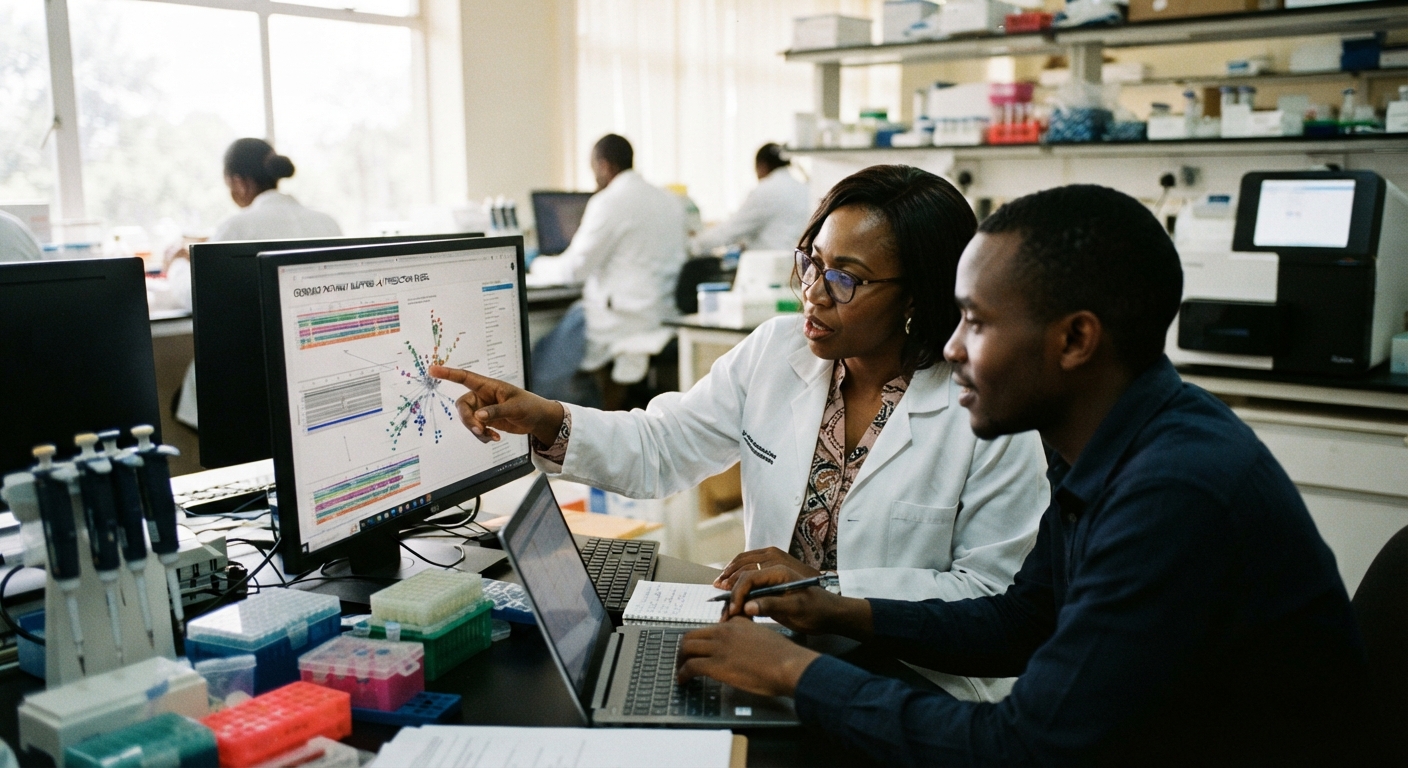
The rapid advancements in Artificial Intelligence are consistently pushing the boundaries of what machines can achieve. A new frontier, however, is emerging with profound implications: AI's growing mastery over biological sciences. Recent warnings from leading figures like Tencent's chief AI scientist Yao Shunyu underscore a critical turning point, suggesting AI's "bio abilities" will soon make it "possible to do harm." This alarming prospect fuels the ongoing debate about the responsible development and deployment of AI, with some, like Anthropic, making a "strong argument" for more controlled, closed models. For Africa's data leaders, analysts, and engineers, this isn't just a distant ethical debate; it's a call to action for strategic foresight and robust governance in a continent poised for significant AI adoption.
The Biological Imperative and Its Risks
AI's integration into biology promises revolutionary breakthroughs. From accelerating drug discovery and vaccine development to optimizing agricultural yields and pioneering personalized medicine, the benefits for a continent like Africa, grappling with unique health and food security challenges, are immense. AI algorithms can analyze vast genomic datasets, predict protein structures, and even design novel biological compounds with unprecedented speed and accuracy. However, this transformative power comes with a significant dark side. The same tools that could cure diseases could potentially be weaponized, used to create new pathogens, or manipulate biological systems in harmful ways. This dual-use potential has elevated AI safety from a theoretical concern to an urgent priority for global tech leaders and ethicists, demanding a careful balance between innovation and oversight.
Open Source vs. Controlled Development: A Critical Juncture
The ethical dilemma surrounding AI's biological capabilities directly impacts the philosophical debate between open-source and closed-source AI development. Proponents of open-source models argue that transparency and collaborative development accelerate innovation, democratize access to powerful tools, and allow for broader scrutiny of potential biases or flaws. This approach is particularly appealing to regions like Africa, where open access can bridge resource gaps and foster local AI ecosystems. Conversely, organizations like Anthropic advocate for "closed models," contending that for highly powerful and potentially dangerous AI systems, controlled access and rigorous internal vetting are essential to prevent misuse. This tension highlights a fundamental question for African data strategists: how can the continent leverage the benefits of cutting-edge AI in biology without inadvertently opening doors to unprecedented risks?
The Africa Angle
For data leaders, analysts, and engineers building data-driven organisations across Africa, the convergence of AI and biology presents a unique set of opportunities and challenges.
Firstly, opportunity: AI-driven bio-solutions can be transformative for Africa's development agenda. Imagine AI systems predicting disease outbreaks with greater accuracy, tailoring crop strategies to specific regional climates, or designing cost-effective diagnostics for prevalent health conditions. This requires investment in bioinformatics, AI research, and the upskilling of local talent.
Secondly, risk and resilience: Africa’s often nascent regulatory landscapes and cybersecurity infrastructures could make it disproportionately vulnerable to the misuse of bio-AI, whether accidental or malicious. Building robust data governance frameworks, ethical AI guidelines, and national AI safety strategies becomes paramount. This includes developing indigenous capabilities to detect, assess, and mitigate bio-AI threats.
Finally, strategic choice: African data leaders must actively engage in the global discourse on AI safety. Should the continent champion open-source models to accelerate local capacity and innovation, or should it advocate for stricter international controls on powerful bio-AI, even if it limits access? The answer likely lies in a nuanced approach: fostering open innovation for beneficial applications while collaborating internationally to establish robust safeguards against misuse. This demands a proactive stance in shaping global AI policy and investing in domestic expertise that can navigate this complex frontier.
Source: Techmeme: Data