
Beyond the Hype: SA's AI Production Gap Demands Strategic Rethink
Only 1 in 4 South African enterprises leverage AI in production pipelines. Explore the challenges, implications, and strategies for African data leaders to unlo
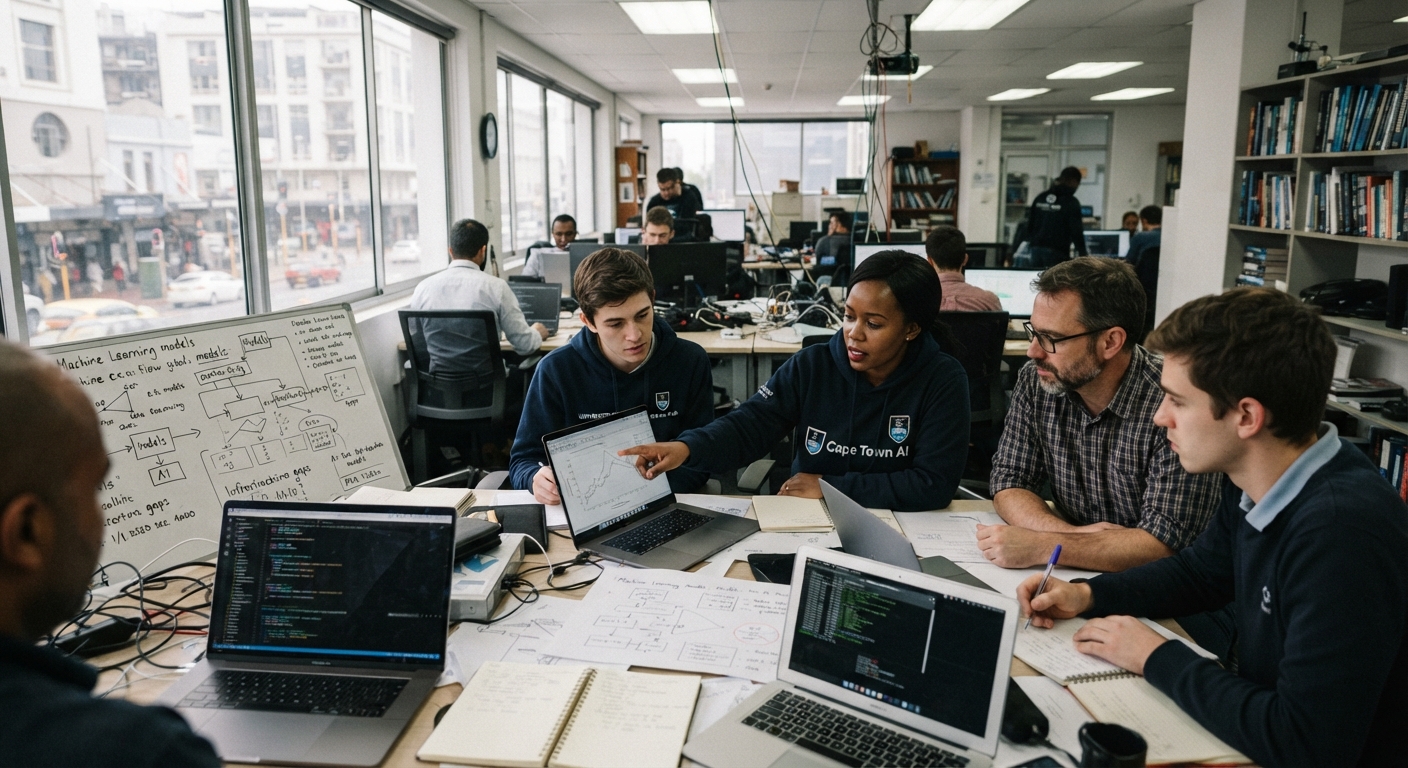
A critical disconnect is emerging between the soaring ambition for Artificial Intelligence (AI) and its practical, scaled deployment within South African enterprises. A recent study reveals a stark reality: only one in four South African businesses is actively running AI workloads on production data pipelines. This statistic is more than just a number; it represents a significant bottleneck for data-driven organisations aspiring to leverage AI's transformative power across the continent.
The Production Predicament
For AI to truly deliver value, it must move beyond isolated experiments and integrate seamlessly into an organisation's core operational fabric. "Production data pipelines" are the arteries through which real-time, high-volume data flows, feeding and being enriched by AI models that drive critical business functions – from personalised customer experiences and fraud detection to predictive maintenance and supply chain optimisation. When AI remains confined to sandbox environments, its potential for impact diminishes significantly.
This low adoption rate points to underlying challenges that extend beyond mere technological access. It suggests difficulties in data readiness, governance, and the robust engineering required to operationalise complex AI models. Many enterprises are grappling with legacy systems, fragmented data ecosystems, and a shortage of specialised skills in areas like MLOps (Machine Learning Operations), which are essential for taking models from development to scalable, reliable production.
Untangling the Roadblocks
The hurdles to widespread production AI are multi-faceted. Data quality and accessibility often form the foundational cracks, making it difficult to build and trust models with real-world implications. Furthermore, the ‘pilot purgatory’ phenomenon – where AI projects get stuck in perpetual experimentation without clear pathways to production – is a common scenario. This is often exacerbated by a lack of strategic alignment between data science teams and core business objectives, coupled with insufficient investment in the MLOps infrastructure necessary to manage model lifecycles, monitoring, and continuous improvement.
The human element is equally critical. A shortage of skilled data engineers and MLOps specialists capable of bridging the gap between data scientists and IT operations means even brilliant AI models struggle to find their way into live systems. Without robust engineering practices, the scalability, reliability, and maintainability of AI solutions remain elusive.
The Local Angle
For data leaders, analysts, and engineers building data-driven organisations across Africa, South Africa's experience serves as a powerful cautionary tale and a blueprint for action. The challenges highlighted are not unique to SA; they resonate across many emerging markets on the continent. Failing to integrate AI into production pipelines means African businesses risk falling behind global competitors, missing out on efficiency gains, and forfeiting opportunities to address local challenges with innovative data-driven solutions in sectors like healthcare, agriculture, and finance.
This demands a strategic pivot: a heightened focus on data governance, investment in modern data engineering practices, and aggressive talent development in MLOps. It calls for cultivating a culture where AI is seen not just as a futuristic project, but as an integral component of daily operations. By proactively addressing these foundational issues, data professionals across Africa can ensure their organisations are not merely experimenting with AI, but truly harnessing its power to build resilient, competitive, and impactful enterprises.
Source: Data Watch